
Implementing new energy solutions is always extremely interesting. We are pleased to announce that Energio and the Port of Kalajoki have signed an agreement to pilot an energy solution in the port area.
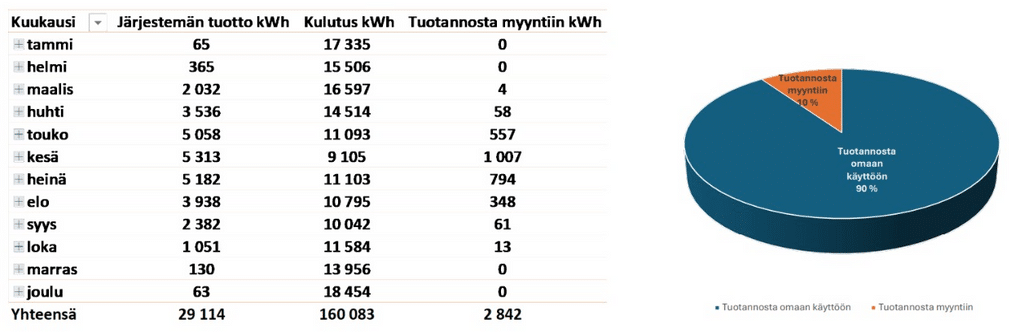
The energy solution to be implemented at the Port of Kalajoki combines three different areas: solar panels, reserve market batteries and building-integrated wind power. Together, these three form a whole that can produce almost 70% of the port’s electrical energy needs without selling significant amounts of electricity.

Harri Honkala, CEO of the Port of Kalajoki, and Vesa Robertsson, Sales Director of Energio, are delighted with the signed agreement.
“70% self-sufficiency in energy is a really tough thing in Finland. Especially in projects of this size,” says Energio’s Sales Director Vesa Robertsson. “It is usually said that due to seasonal variations, 30% to 40% of the energy can be produced by the company itself. That is why it is extremely interesting to implement a project where, with the help of wind power designed for the built environment, the share of own production can be increased to such a high level.”
The wind conditions in the port are ideal for piloting wind power designed for the built environment. Strong south-southwest winds blow from the sea, hitting the port buildings, whose roofs face directly into the wind. This is where roof-mounted wind turbines come into their own.
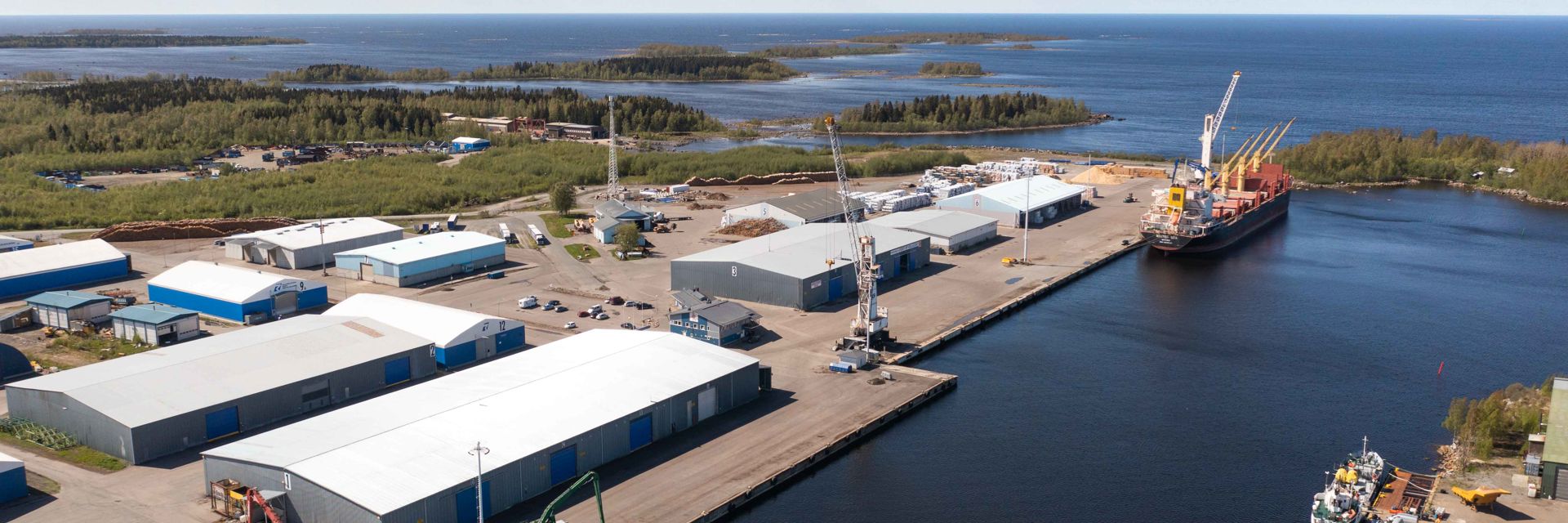
The location of the Port of Kalajoki in close proximity to the open sea makes it a perfect location for piloting wind power solutions.
In Finland, on average, it is windier in winter than in summer. In addition, the same wind speed in winter contains more energy because the air is denser when cold. Similarly, the leaves of the trees are not blocking the wind, but the wind can blow more freely. Therefore, wind power balances the bias of solar panel output in summer perfectly. Solar panels are sized to cover a large part of the summer consumption and wind power the rest.
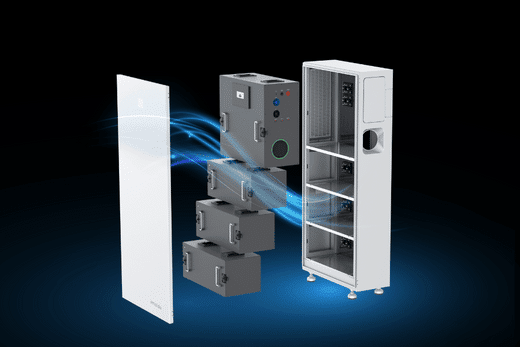
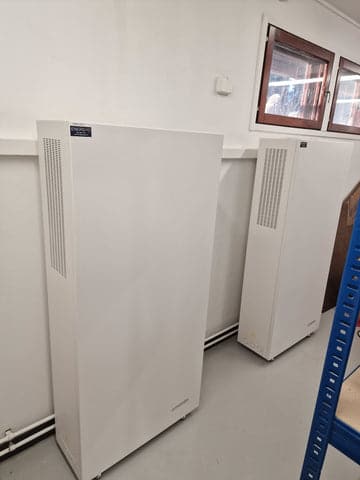
Reserve market batteries not only allow daytime excess production of solar and wind power to be stored at night, but also allow participation in the electricity frequency reserve market and electricity arbitrage trading, i.e. purchasing electricity when it is cheap and using it when it is expensive.

Ready for the reserve market – Solax Reserve Market Batteries now available
We are introducing a great new product for single-family homes, business properties and housing companies that want to enter the reserve market: Solax reserve market…
€8,800 profit in the first year – Energy solution for a company without initial investment
The green transition is often talked about as a mandatory investment and the question is who will pay for it? In other words, the green…
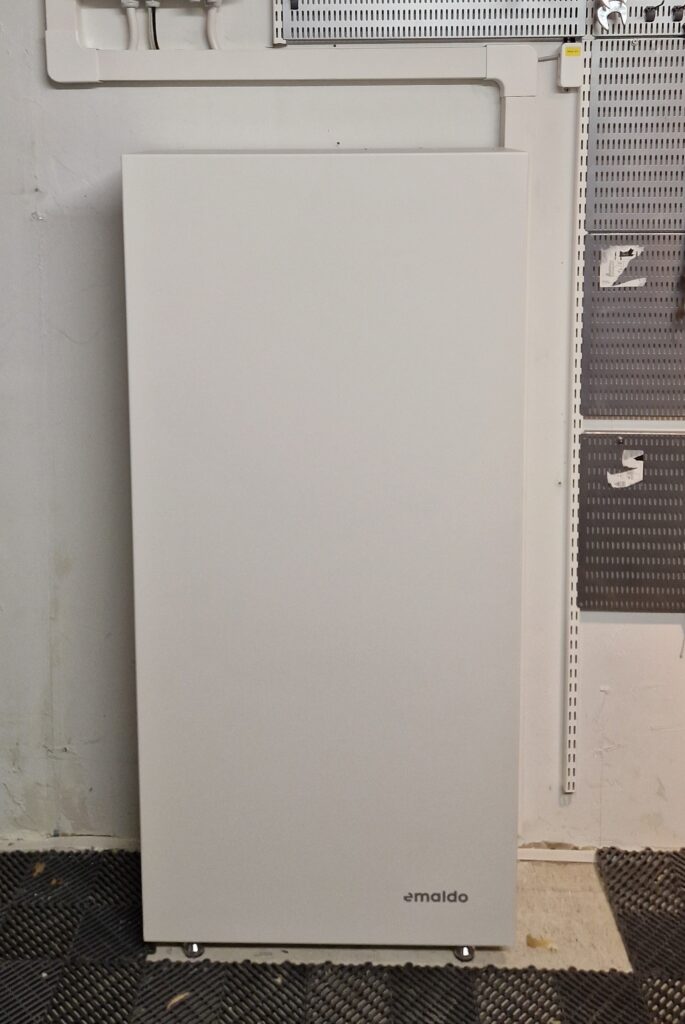
Fingrid tests of Emaldo® batteries have now been conducted for the reserve market
Fingrid’s tests for participation in the frequency reserve market for Emaldo® batteries were successfully completed on January 11-14, 2025. Next, Emaldo® processes all the test…
The economic viability of Emaldo® reserve market batteries
There are a lot of questions about reserve market yields, and no wonder, as the topic is new to consumers. This article contains a calculation…
Maximum Emaldo® Grid Rewards compensation paid
Emaldo® batteries enable households, housing companies and corporate sites to earn passive income by participating in the electricity frequency reserve market as part of the…
Electricity Frequency Reserve Market: What is it and how does it work?
The frequency of the electricity grid is a significant part of the stability of the electricity system. In Finland and elsewhere in Europe, this frequency…