Energy storage
Different energy storages
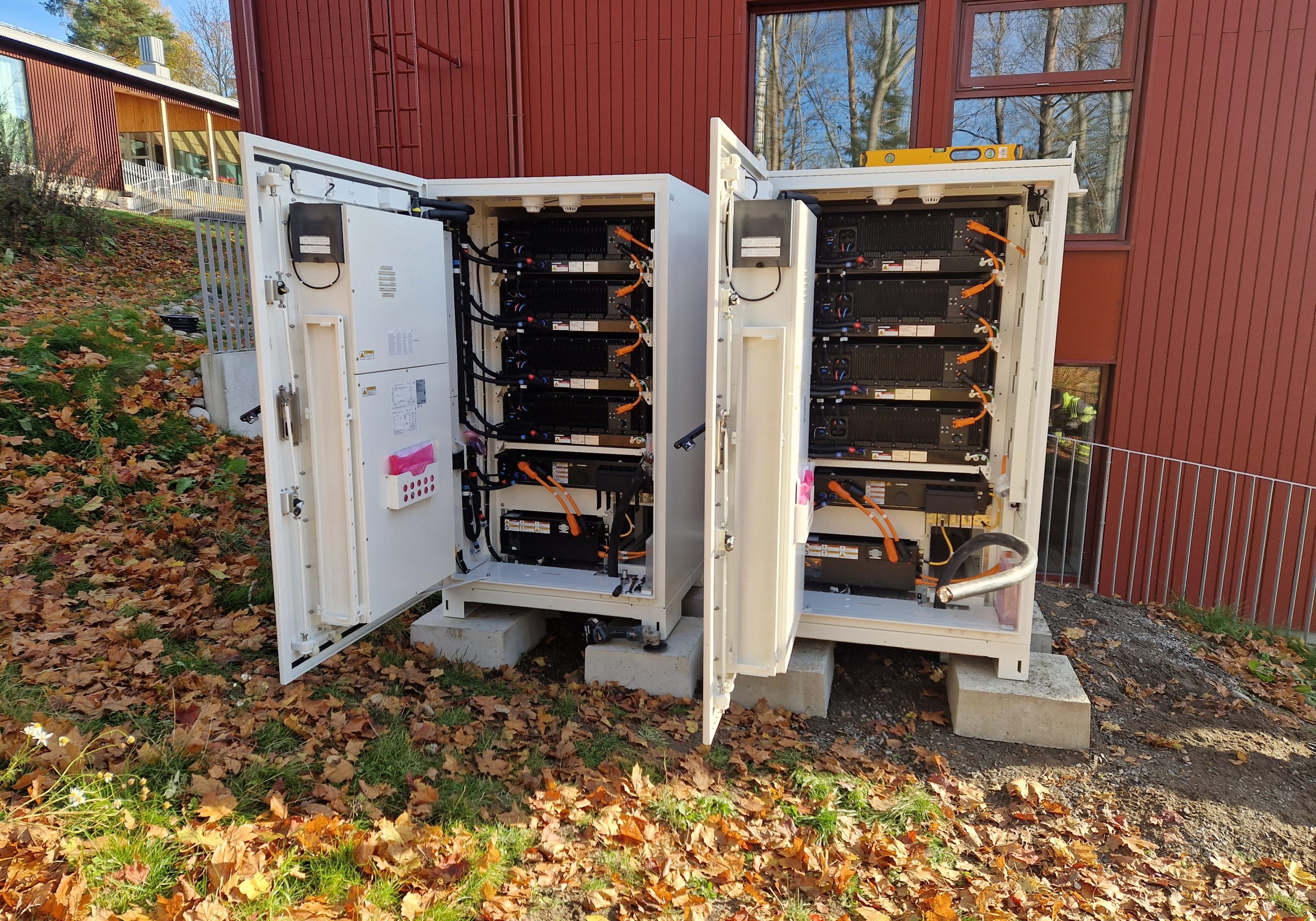
Reserve market batteries for businesses
In smart energy storage, the battery is combined with software that calculates, every minute, which combination of measures creates the greatest economic benefit for the property.
The battery learns from the building's electricity consumption profile and reflects this on the NordPool electricity exchange, various electricity frequency reserve markets, weather information and actual consumption peaks.
Based on these, the battery company forms the most economically profitable action plan.
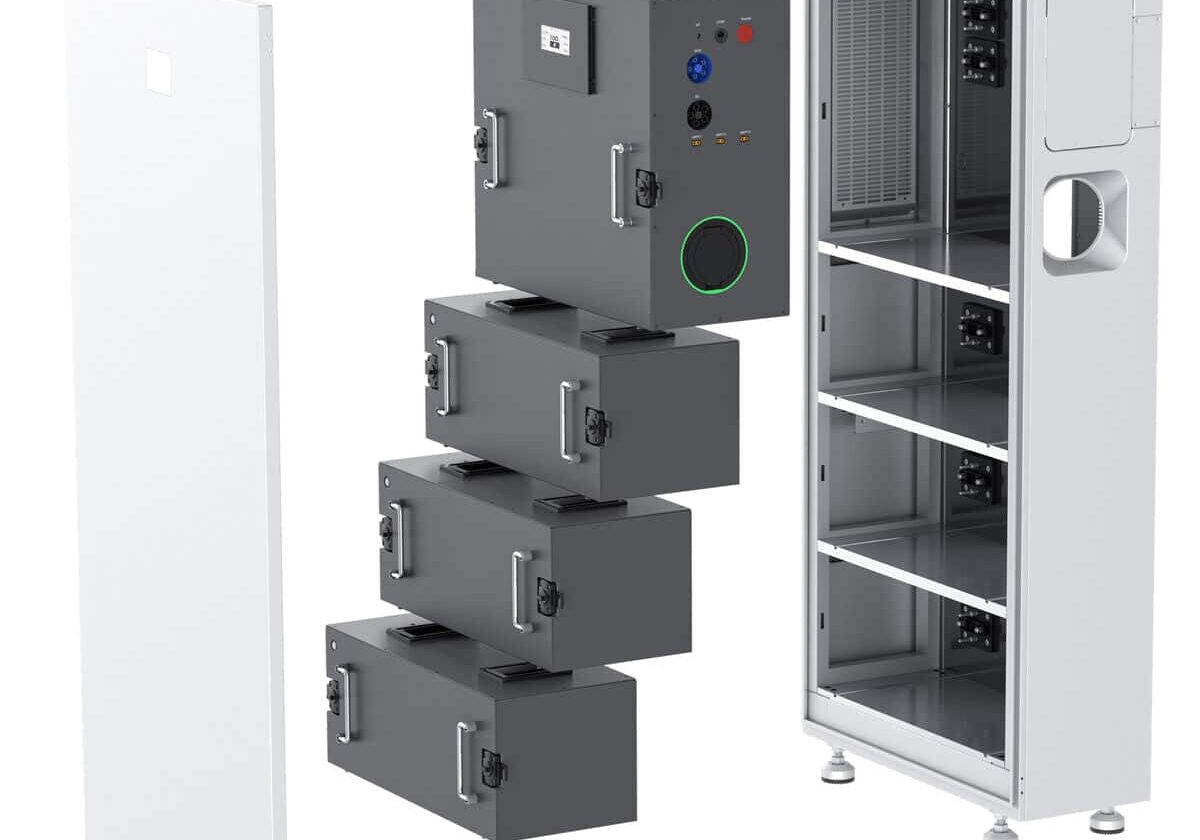
Emaldo home batteries
Energy storage facilities participate in all 8 different reserve markets and the spot and elbas electricity markets through our aggregation.
The more markets a battery company participates in, the higher the returns and the lower the long-term risk.
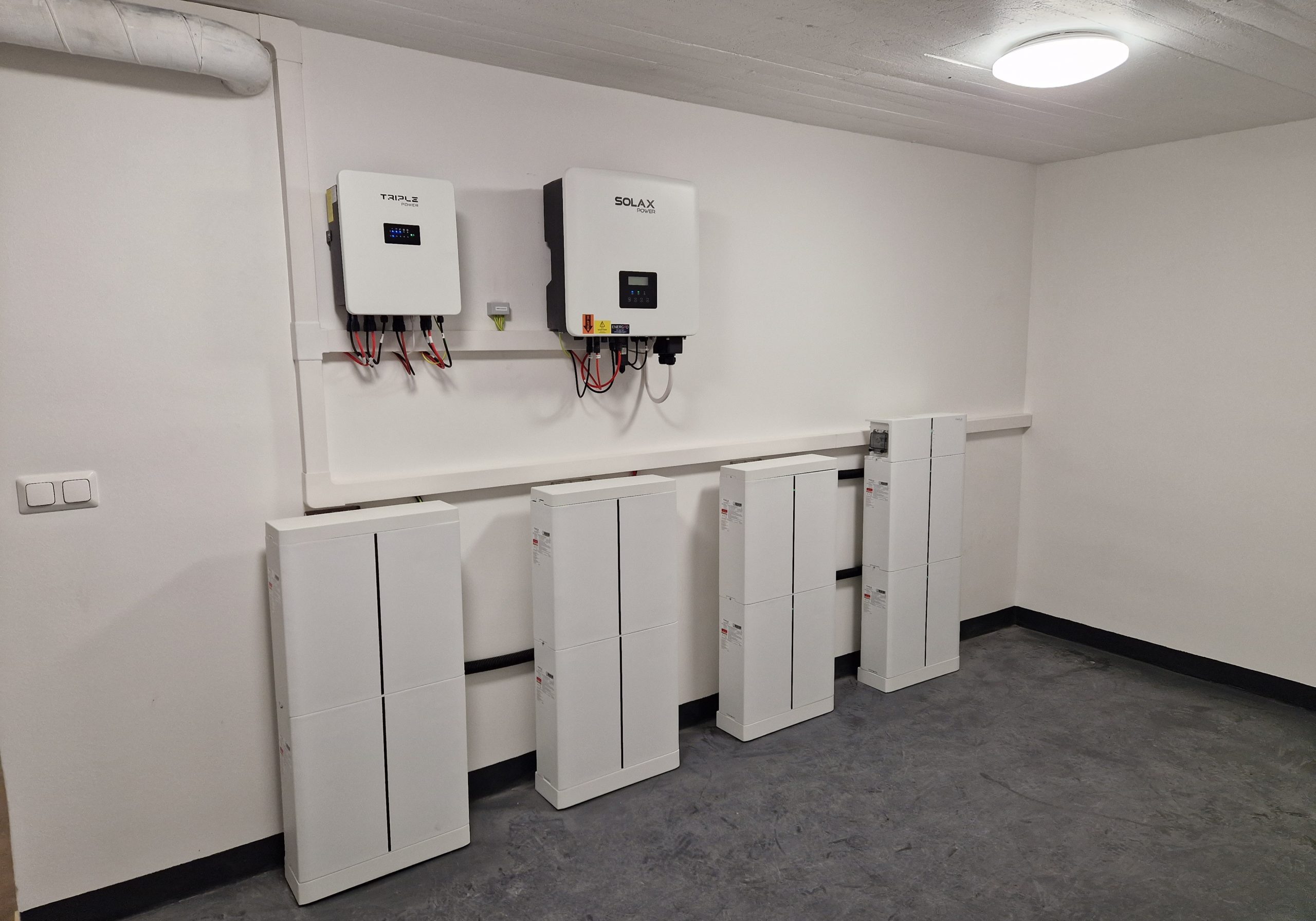
Solax reserve market batteries
Many people think that batteries are expensive. Smart batteries break this prejudice. If the battery is purchased separately through leasing or as part of a larger energy system, it is possible to build systems that are profitable from day one.
How is it that the green transition is only about investments with a long payback period?
Why energy storage?
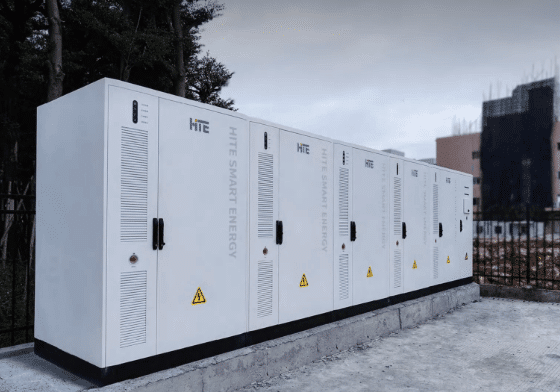
Energy storage produces savings in many ways
In smart energy storage, the battery is combined with software that calculates, every minute, which combination of measures creates the greatest economic benefit for the property.
The battery learns from the building's electricity consumption profile and reflects this on the NordPool electricity exchange, various electricity frequency reserve markets, weather information and actual consumption peaks.
Based on these, the battery company forms the most economically profitable action plan.
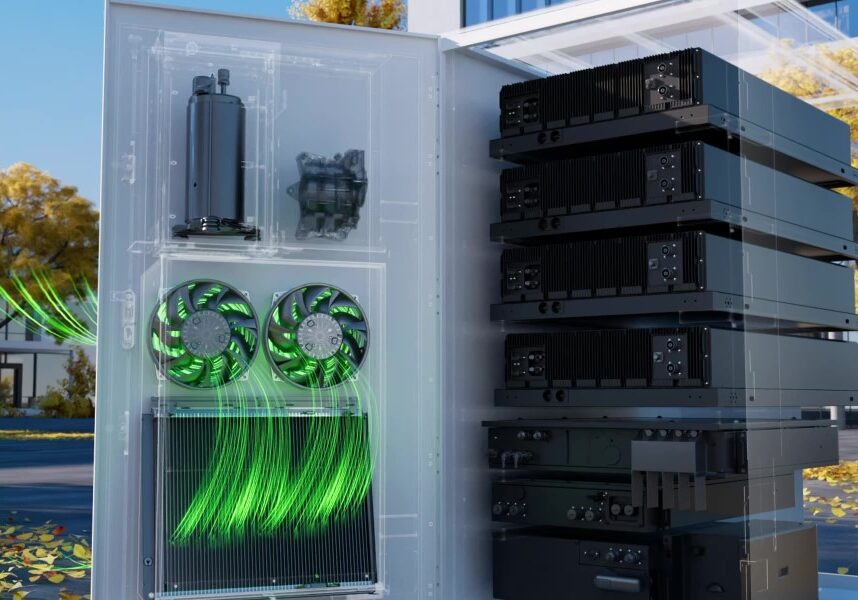
8 reserve markets, 2 electricity markets
Energy storage facilities participate in all 8 different reserve markets and the spot and elbas electricity markets through our aggregation.
The more markets a battery company participates in, the higher the returns and the lower the long-term risk.
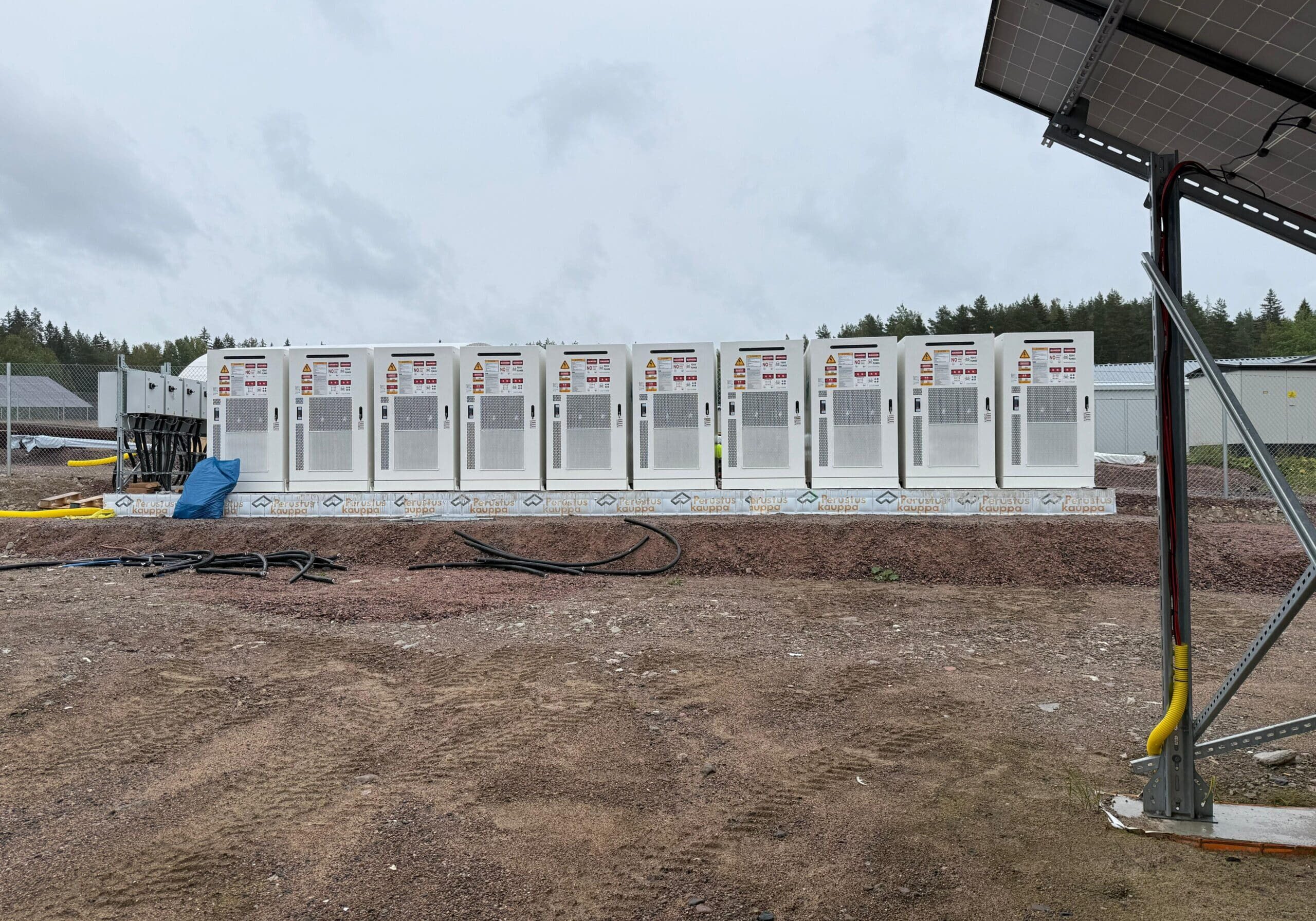
Leasing energy storage has the potential to become profitable from day one
Many people think that batteries are expensive. Smart batteries break this prejudice. If the battery is purchased separately through leasing or as part of a larger energy system, it is possible to build systems that are profitable from day one.
How is it that the green transition is only about investments with a long payback period?
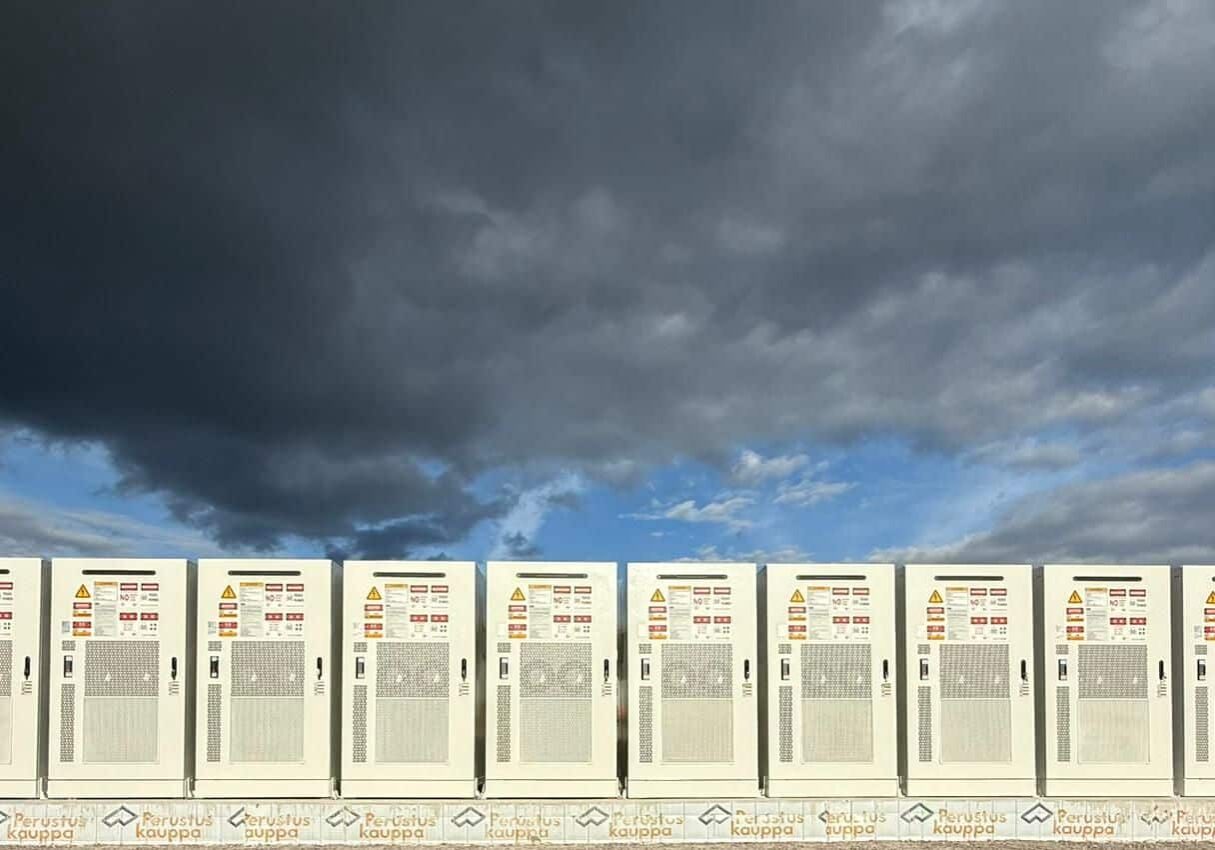
Energy storage companies make large profits from the electricity frequency reserve market
Energy storage facilities participate in all 8 markets of the electricity frequency reserve market maintained by Fingrid, generating significant reserve market returns.
For example, a 100kW battery system generated €32,568 in gross revenue in the 2024 reserve market.
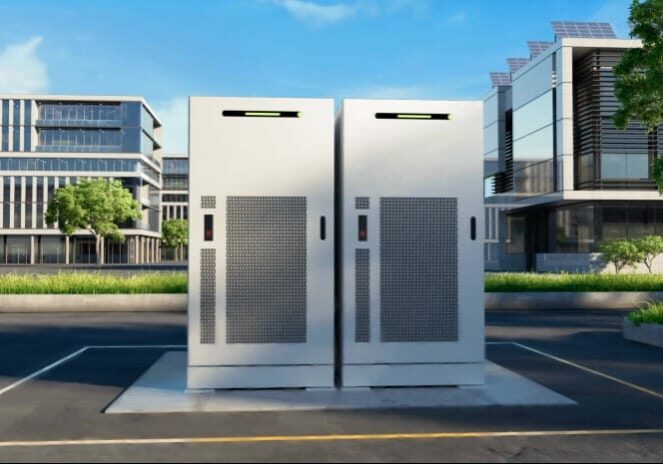
Spot and Elbas markets
In addition to the reserve market, energy storage facilities participate in the Nordpool spot and elbas electricity markets.
These electricity markets, which have been in operation for 28 and 25 years, are many times larger than the reserve market, and their long-term returns are very stable.
For example, a 100kW battery system generated €9,600 in gross revenue from this market in 2024.
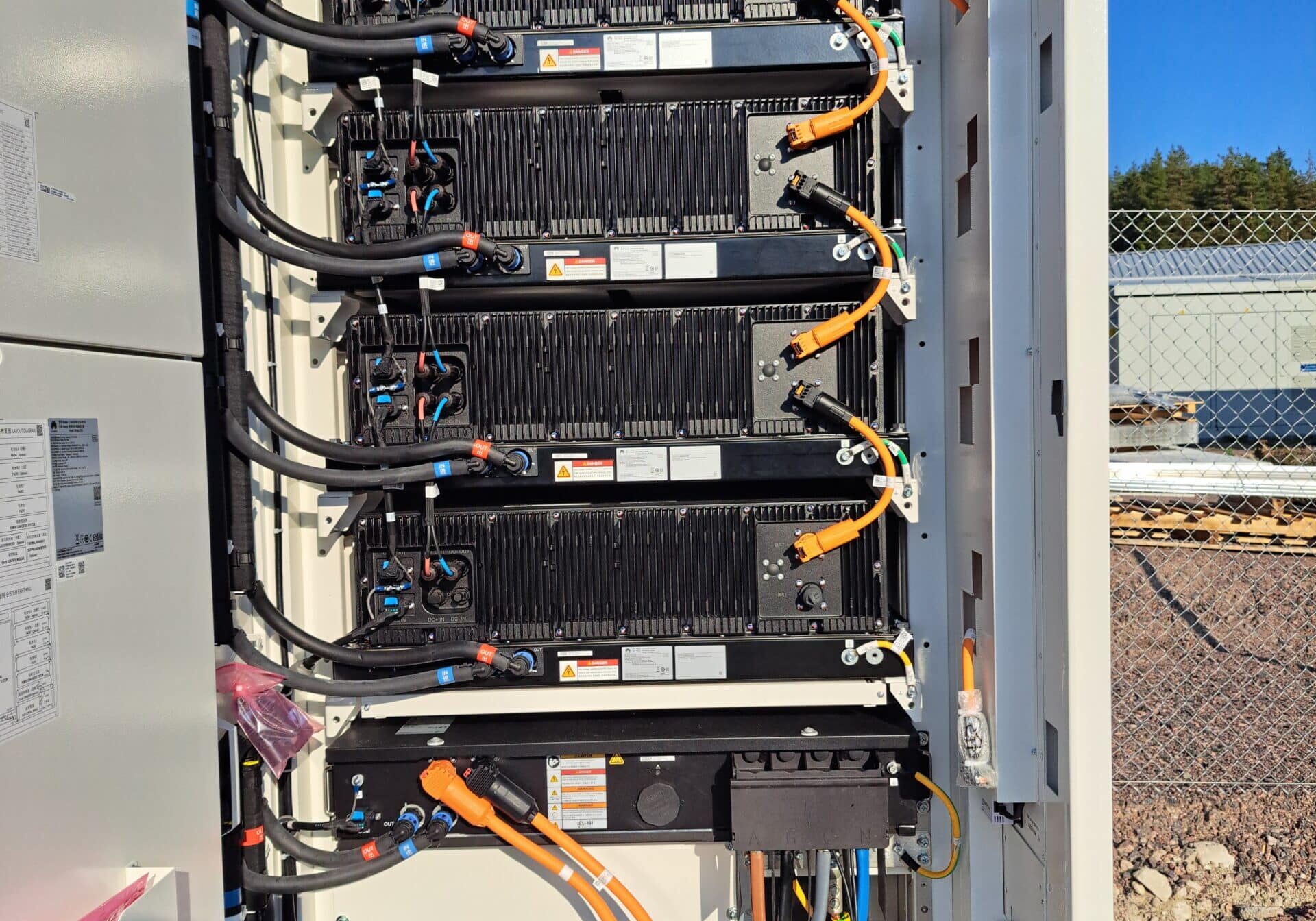
Energy storage reduces the price of electricity by an average of 7-15%
Charge electricity when it's cheap and use it when it's expensive. This is exactly how batteries work, and it's completely automatic.
This is possible not only with an exchange-traded electricity contract, but also with all electricity contracts that have a consumption profile.
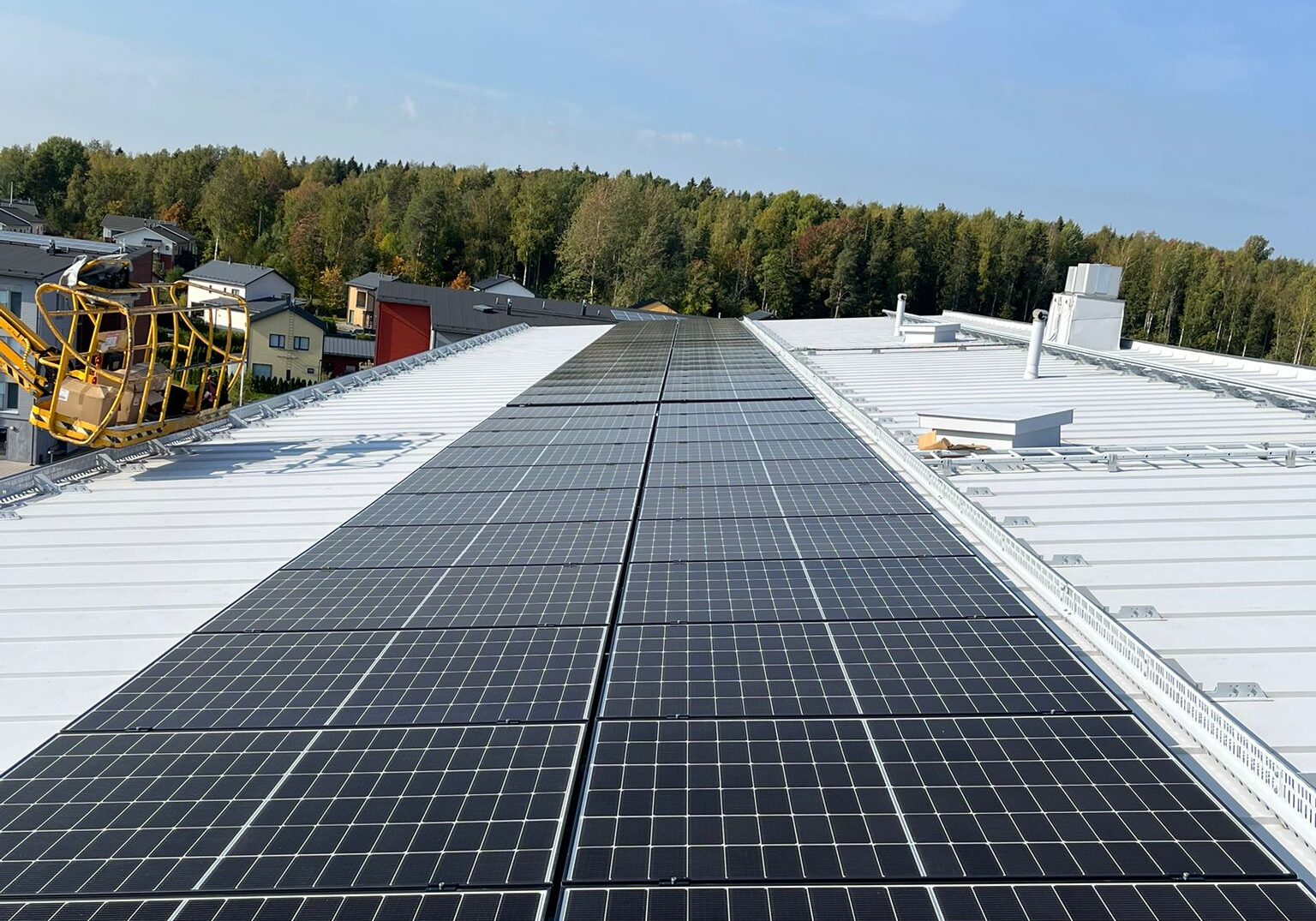
Energy storage enables larger solar power plants
The sizing of a photovoltaic system is often limited by the desire to keep the amount of energy sold low in order to maintain high profitability of the system. With smart batteries, the power plant can be sized up to over 50% larger without any energy being sold.
This maximizes the amount of self-produced green energy and significantly improves the profitability of the power plant.
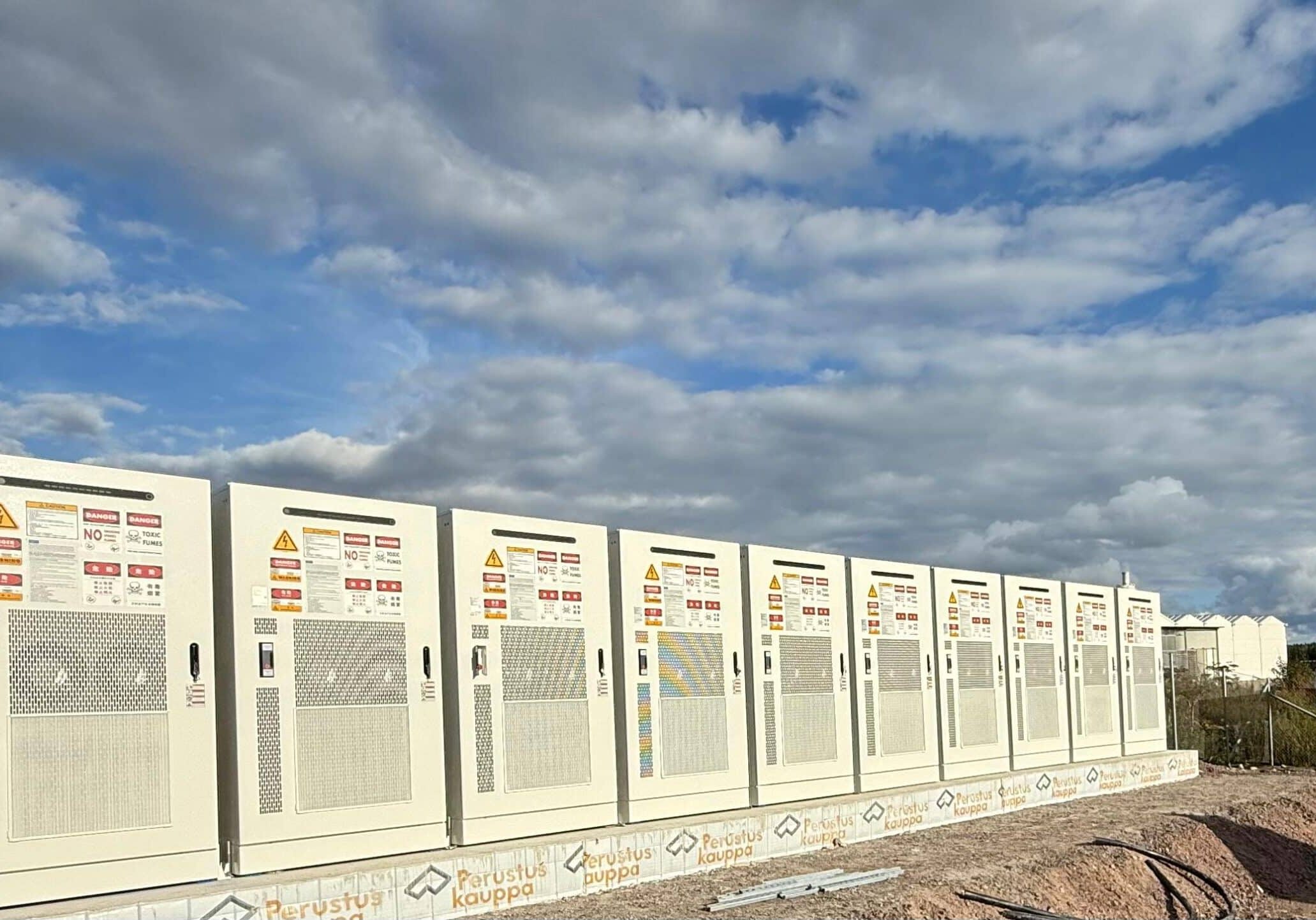
Energy storage cuts electricity consumption peaks
The power tariff for electricity transmission is usually determined by the highest consumption peak of either a month or a year. Consumption peaks are usually short-lived. The transition to a 15-minute metering period in 2025 will increase the impact of short-term consumption peaks on power tariffs.
Battery systems work like a lawnmower, cutting off the largest consumption peaks and reducing power charges. On average, power charges in Finland are 5.5€/kW. In this case, a 100 kW battery system can cut power peaks by 550€.
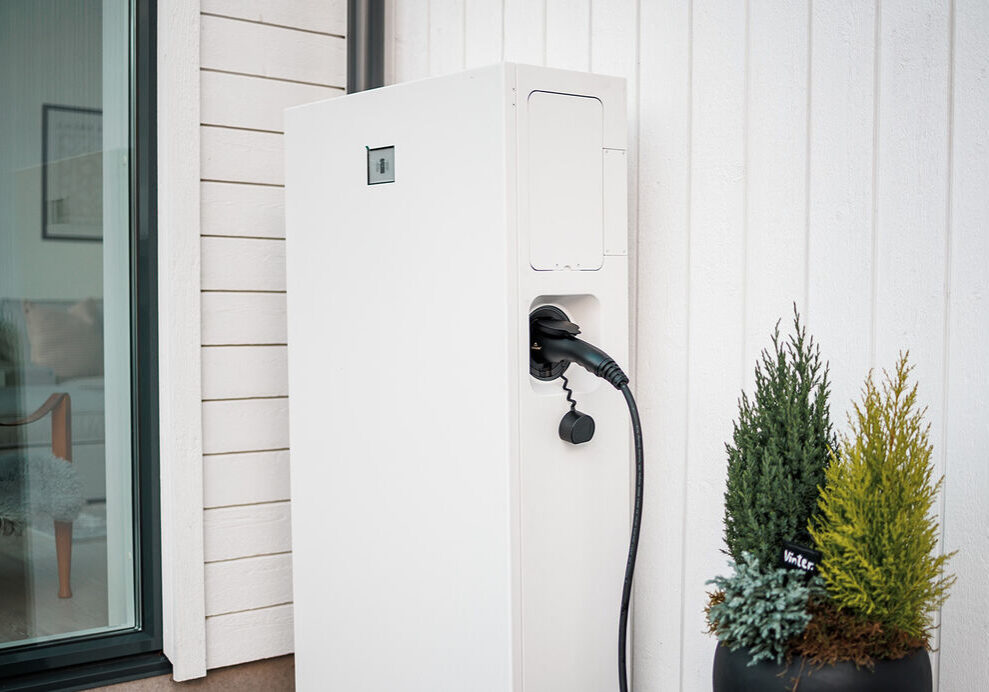
Energy storage for properties of all sizes
Whether your property is small or large, we have an energy storage system that is suitable for your property. The most important factor in sizing an energy storage system is the size of the property's electrical connection and main fuses. Our smallest solution uses 25A fuses. In other words, they are also suitable for single-family homes. Read more about smaller-sized solutions at the link.
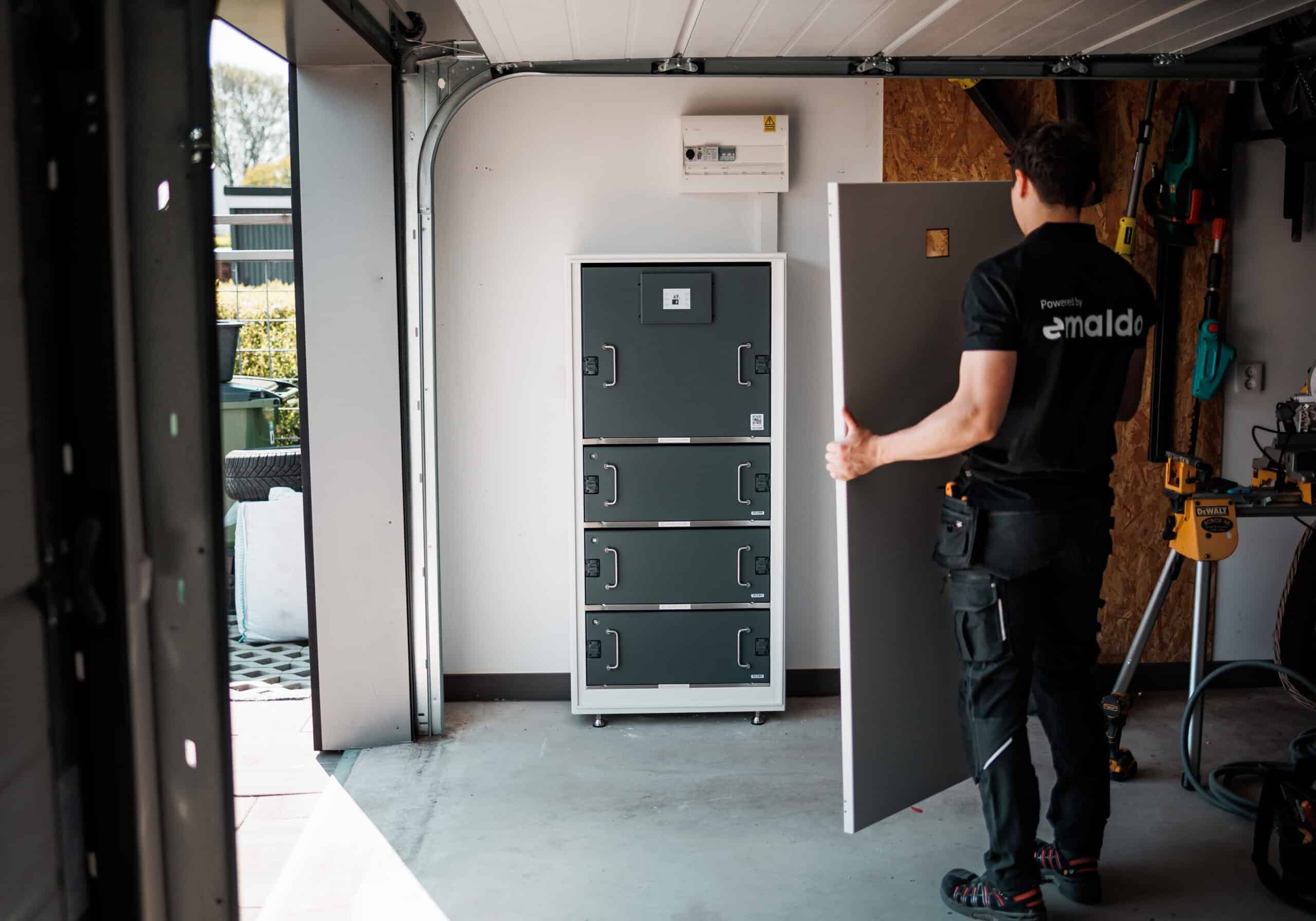
The payback period for energy storage is 2-5 years.
Traditionally, the payback period for batteries has been between 9-12 years. However, participation in various electricity frequency reserve markets and AI-based optimization has significantly reduced the payback period. Currently, it is a very short 2-5 years, most commonly around 3 years.

Energy storage gets better scores on sustainability certificates
The more weather-dependent forms of electricity production such as solar and wind power are in the electricity grid, the more batteries are needed. Similarly, the cyclical nature of consumption, such as the electrification of transport and district heating, increases the need for reserves. Batteries are therefore a significant part of the entire green energy transition. For this reason, many different sustainability certificates give significantly better scores to properties equipped with energy storage.
Articles related to energy storage

€8,800 profit in the first year – Energy solution for a company without initial investment
The green transition is often talked about as a mandatory investment and the question is…

Fingrid tests of Emaldo® batteries have now been conducted for the reserve market
Fingrid’s tests for participation in the frequency reserve market for Emaldo® batteries were successfully completed…

The economic viability of Emaldo® reserve market batteries
There are a lot of questions about reserve market yields, and no wonder, as the…

Electricity Frequency Reserve Market: What is it and how does it work?
The frequency of the electricity grid is a significant part of the stability of the…