
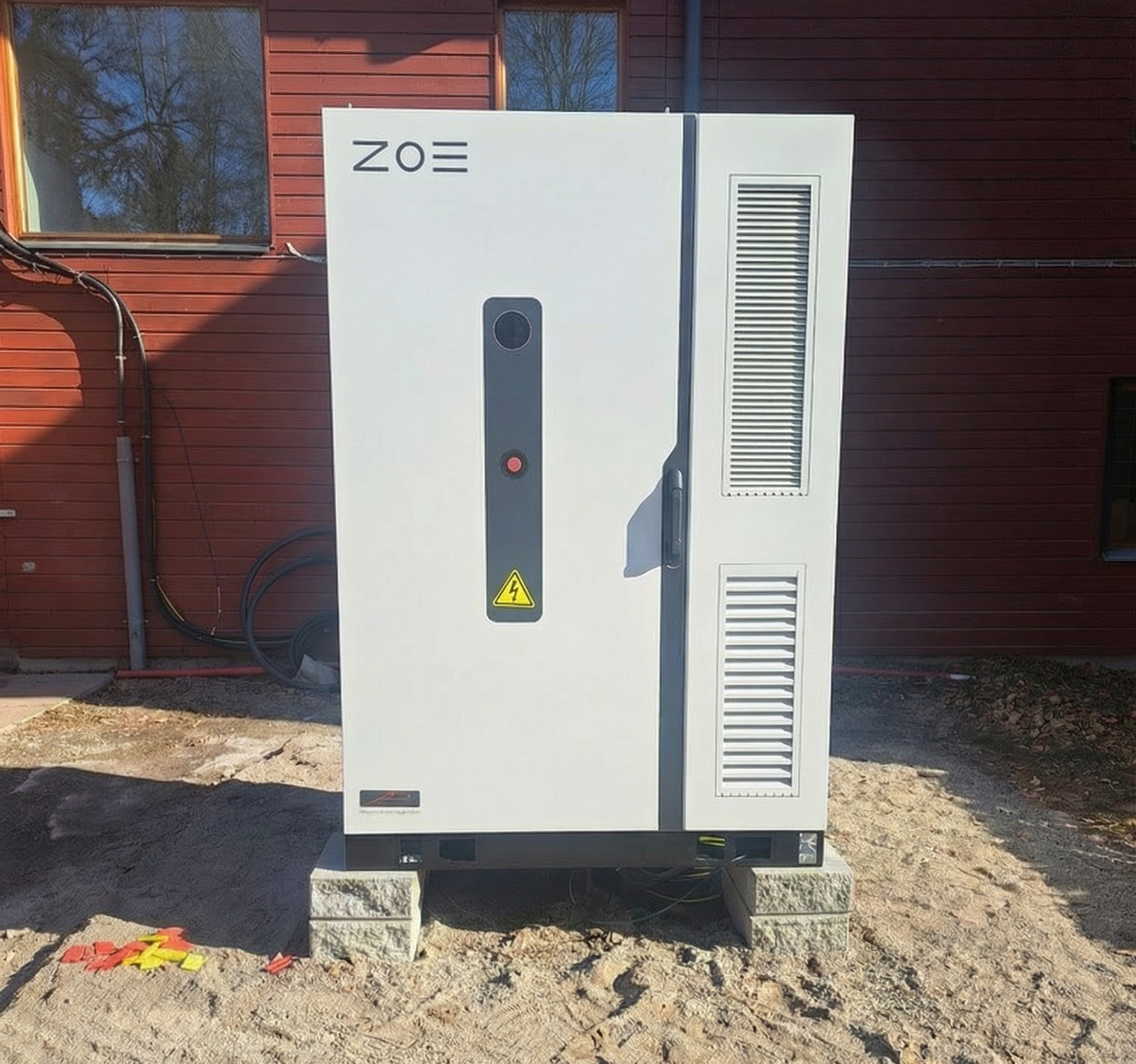
The battery system secures the supply of electricity
The battery can be equipped with additional features that allow it to act as a backup power source in the event of a power outage. It also improves the quality of electricity, especially in areas where so-called “snaps” occur, i.e. short power outages lasting a few seconds. Although the outages are short, they can be enough to disrupt, for example, industrial equipment and cause production disruptions for hours.
The battery solution can achieve a very fast connection time of less than 4 milliseconds, which in practice enables operation that can be classified as uninterrupted backup power.
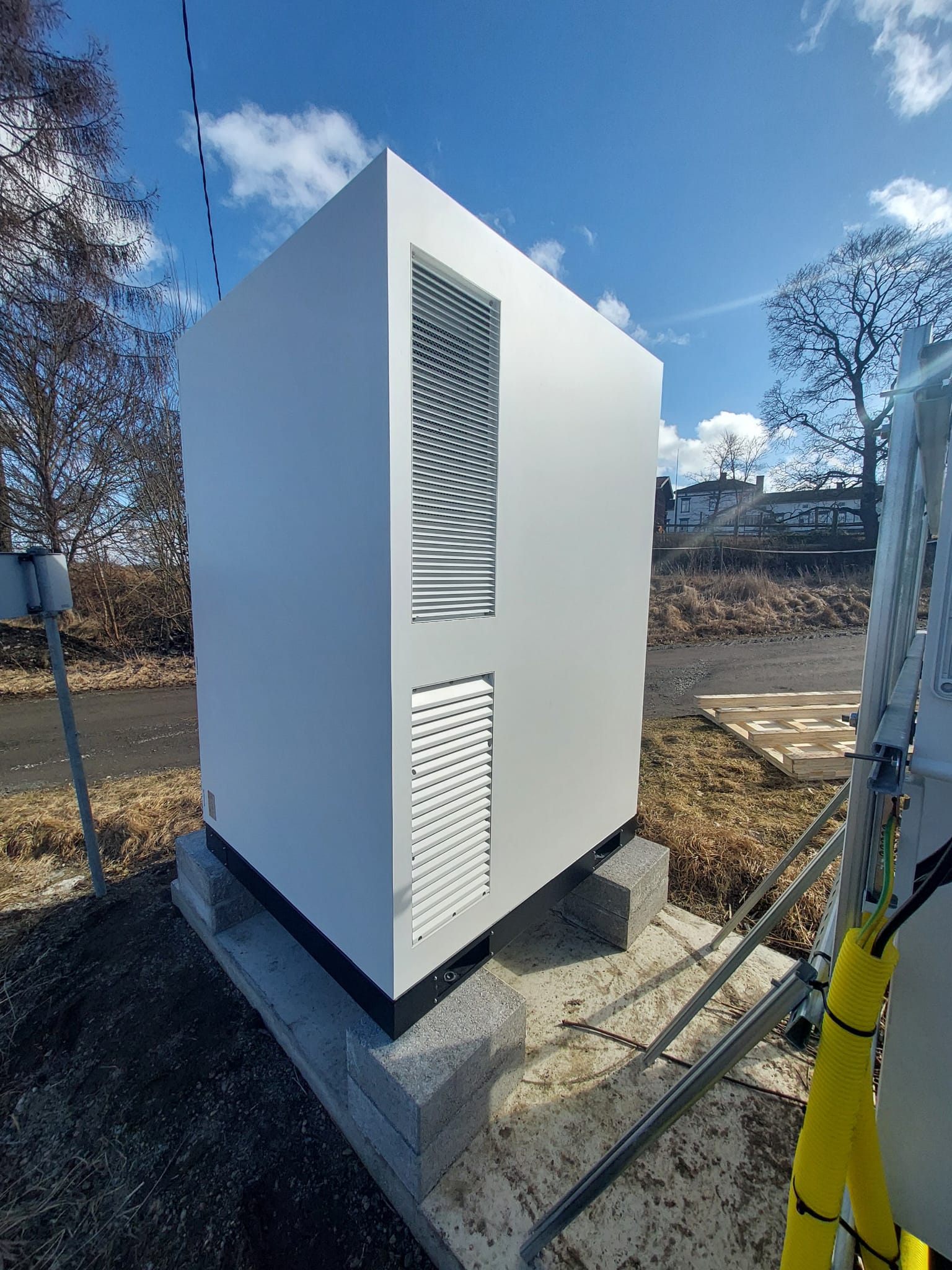
Profit from the electricity market
The battery does not need to act as a constant backup power source, but can also be effectively utilized in the electricity market. In practice, the battery can participate in up to eight different reserve markets and two wholesale electricity markets when it is not needed for backup power.
Although the returns from the reserve market have recently decreased, this development has been balanced by the growth in returns from the wholesale electricity market. As a result, overall profitability remains at a good level.
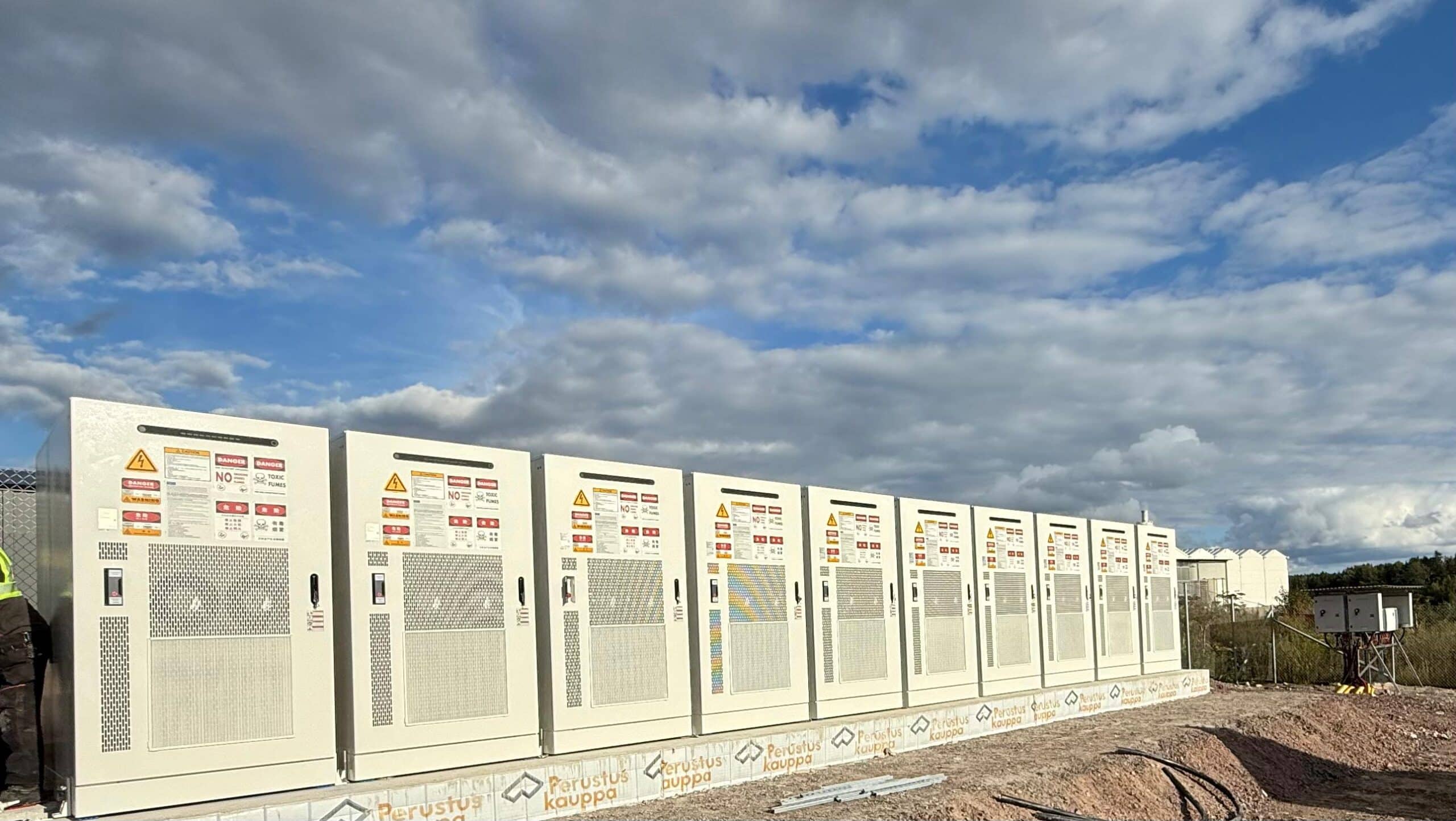
4-year payback period in an industrial property
We calculated with one of our customers' operational managers that the payback period for backup power at their factory is only 4 years, based on the savings generated by backup power alone.
- A power outage disrupts production for two hours as machines have to be restarted and calibrated.
- The price for two hours at their sale is 12,000€
- Average of 10 outages per year
- In other words, a €500,000 backup power investment is extremely profitable.
On top of this, there are revenues from the electricity market, solar electricity stored for own use, and less stress with improved delivery schedules.